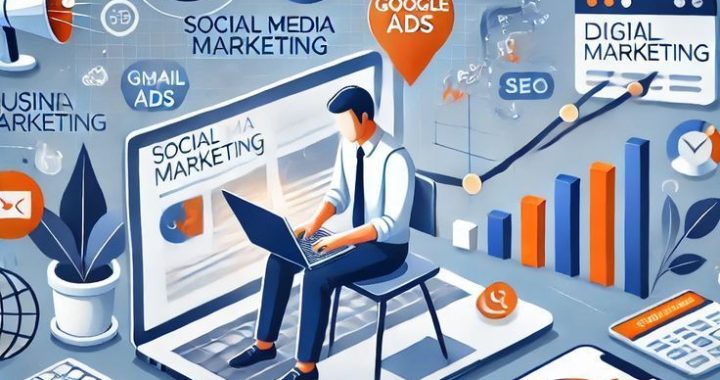
Introduction to Digital Marketing
Digital marketing has transformed the way businesses connect with customers. In today’s fast-paced digital world, brands no longer depend only on traditional advertising methods like newspapers, banners, or television. Instead, they use digital platforms such as search engines, social media, websites, emails, and mobile apps to reach the right audience at the right time.
A Digital Marketing Course helps students, professionals, entrepreneurs, and job seekers learn these in-demand skills and build a successful career in the online marketing industry.
What Is Digital Marketing?
Digital marketing refers to promoting products, services, or brands using online channels and digital technologies.
Key Points:
-
Uses internet-based platforms for promotion
-
Focuses on data-driven marketing strategies
-
Helps businesses reach global audiences
-
Allows real-time tracking and performance measurement
-
Cost-effective compared to traditional marketing
Why Digital Marketing Is Important in Today’s World
Every business—small or large—needs a digital presence. A digital marketing course prepares learners to meet this demand.
Reasons Why Digital Marketing Matters:
-
Consumers spend more time online than ever before
-
Businesses rely on digital channels for lead generation
-
Online marketing provides measurable results
-
Brands can target specific audiences precisely
-
Digital skills are essential for modern careers
What Is a Digital Marketing Course?
A digital marketing course is a structured training program that teaches how to promote businesses online using various tools, platforms, and strategies.
What You Learn in a Digital Marketing Course:
-
How search engines work
-
How to rank websites on Google
-
How to run paid advertising campaigns
-
How to grow brands on social media
-
How to create engaging online content
-
How to analyze and optimize campaigns
Who Should Enroll in a Digital Marketing Course?
Digital marketing courses are suitable for people from all backgrounds.
Ideal for:
-
Students looking for high-growth careers
-
Fresh graduates seeking practical skills
-
Working professionals wanting to upskill
-
Business owners and entrepreneurs
-
Freelancers and consultants
-
Homemakers wanting flexible careers
-
Career switchers from non-technical fields
Key Benefits of a Digital Marketing Course
Career Benefits:
-
High demand across industries
-
Multiple job roles available
-
Opportunities in startups and MNCs
-
Freelancing and remote work options
-
International career scope
Skill Benefits:
-
Hands-on practical knowledge
-
Industry-relevant tools training
-
Real-time project experience
-
Analytical and creative skill development
Business Benefits:
-
Ability to promote your own brand
-
Generate leads without agencies
-
Improve online sales and visibility
-
Build strong customer relationships
Modules Covered in a Digital Marketing Course
A professional digital marketing course includes multiple modules that cover both fundamentals and advanced strategies.
1. Fundamentals of Digital Marketing
Topics Covered:
-
Introduction to online marketing
-
Digital vs traditional marketing
-
Customer journey and funnels
-
Online consumer behavior
-
Digital marketing trends
2. Search Engine Optimization (SEO)
SEO helps websites rank higher on search engines like Google.
SEO Course Topics:
-
Introduction to search engines
-
Keyword research and analysis
-
On-page SEO techniques
-
Technical SEO fundamentals
-
Off-page SEO and link building
-
Local SEO and Google My Business
-
SEO tools (Google Search Console, Ahrefs, SEMrush)
-
SEO reporting and performance tracking
3. Search Engine Marketing (SEM) / Google Ads
Paid advertising helps businesses get instant visibility.
What You Learn:
-
Google Ads account setup
-
Keyword bidding strategies
-
Search ads, display ads, video ads
-
Shopping ads and app ads
-
Campaign optimization techniques
-
Conversion tracking
-
Budget planning and ROI analysis
4. Social Media Marketing (SMM)
Social media platforms are powerful branding tools.
Platforms Covered:
-
Facebook Marketing
-
Instagram Marketing
-
LinkedIn Marketing
-
Twitter (X) Marketing
-
YouTube Marketing
Key Learning Areas:
-
Social media strategy creation
-
Content planning and calendars
-
Organic growth techniques
-
Paid social media advertising
-
Audience targeting and retargeting
-
Analytics and insights tracking
5. Content Marketing
Content is the backbone of digital marketing.
Topics Included:
-
Content strategy development
-
Blog writing techniques
-
Website content creation
-
Copywriting fundamentals
-
Storytelling for brands
-
Content distribution strategies
-
Content performance measurement
6. Email Marketing
Email marketing helps nurture leads and build long-term relationships.
What You Learn:
-
Email marketing tools and platforms
-
List building strategies
-
Email campaign creation
-
Automation and drip campaigns
-
Email design best practices
-
Open rate and CTR optimization
-
Spam rules and compliance
7. Affiliate Marketing
Affiliate marketing allows earning commissions by promoting products.
Course Topics:
-
Introduction to affiliate marketing
-
Affiliate networks and platforms
-
Product selection strategies
-
Affiliate website creation
-
Traffic generation techniques
-
Tracking and analytics
8. Influencer Marketing
Influencer marketing is growing rapidly.
Key Areas Covered:
-
Influencer identification
-
Campaign planning and execution
-
Collaboration strategies
-
Budget management
-
Performance measurement
-
Brand reputation management
9. Web Analytics and Data Tracking
Data helps improve marketing performance.
Analytics Tools Covered:
-
Google Analytics (GA4)
-
Google Tag Manager
-
Conversion tracking
-
User behavior analysis
-
Funnel analysis
-
Reporting and dashboards
10. Website Planning and Optimization
A website is the foundation of digital marketing.
What You Learn:
-
Website structure planning
-
Landing page optimization
-
UI/UX basics
-
Conversion rate optimization (CRO)
-
Website speed optimization
-
Mobile responsiveness
11. Marketing Automation
Automation saves time and improves efficiency.
Topics Included:
-
CRM tools
-
Automation workflows
-
Lead scoring
-
Customer segmentation
-
Personalized marketing campaigns
Tools You Learn in a Digital Marketing Course
Popular Tools:
-
Google Analytics
-
Google Search Console
-
Google Ads
-
Meta Ads Manager
-
SEMrush / Ahrefs
-
Canva
-
Mailchimp
-
HubSpot
-
WordPress
Certifications Provided in a Digital Marketing Course
Certifications increase credibility and job opportunities.
Common Certifications:
-
Google Ads Certification
-
Google Analytics Certification
-
Meta Blueprint Certification
-
HubSpot Content Marketing Certification
-
Institute-provided course certificate
Career Opportunities After a Digital Marketing Course
Job Roles:
-
Digital Marketing Executive
-
SEO Specialist
-
Social Media Manager
-
Performance Marketer
-
Content Marketer
-
Email Marketing Specialist
-
PPC Expert
-
Marketing Analyst
-
Digital Marketing Manager
Salary After Completing a Digital Marketing Course
Salary Range (India):
-
Fresher: ₹3 – ₹5 LPA
-
Mid-level: ₹6 – ₹10 LPA
-
Experienced professionals: ₹12+ LPA
-
Freelancers: Project-based or monthly income
-
Agency owners: Unlimited growth potential
Why Digital Marketing Is a Future-Proof Career
Reasons:
-
Internet usage continues to grow
-
Businesses need online visibility
-
New platforms create new opportunities
-
Skills remain relevant across industries
-
Remote work opportunities available
How to Choose the Right Digital Marketing Course
Things to Check:
-
Industry-experienced trainers
-
Practical, hands-on training
-
Live projects and case studies
-
Updated course curriculum
-
Certification support
-
Placement or internship assistance
-
Lifetime learning access
Online vs Offline Digital Marketing Courses
Online Courses:
-
Flexible learning schedule
-
Learn from anywhere
-
Often more affordable
Offline Courses:
-
Classroom interaction
-
Direct trainer support
-
Peer learning environment
Final Thoughts: Why You Should Enroll in a Digital Marketing Course
A digital marketing course is not just a certification—it is a gateway to endless opportunities. Whether you want a job, a freelance career, or to grow your own business, digital marketing skills give you complete control over your professional future.
Key Takeaways:
-
Digital marketing skills are in high demand
-
Courses offer practical and career-oriented learning
-
Suitable for beginners and professionals
-
Provides long-term career growth
-
Opens doors to global opportunities`
-